Church of Panagia Asinou
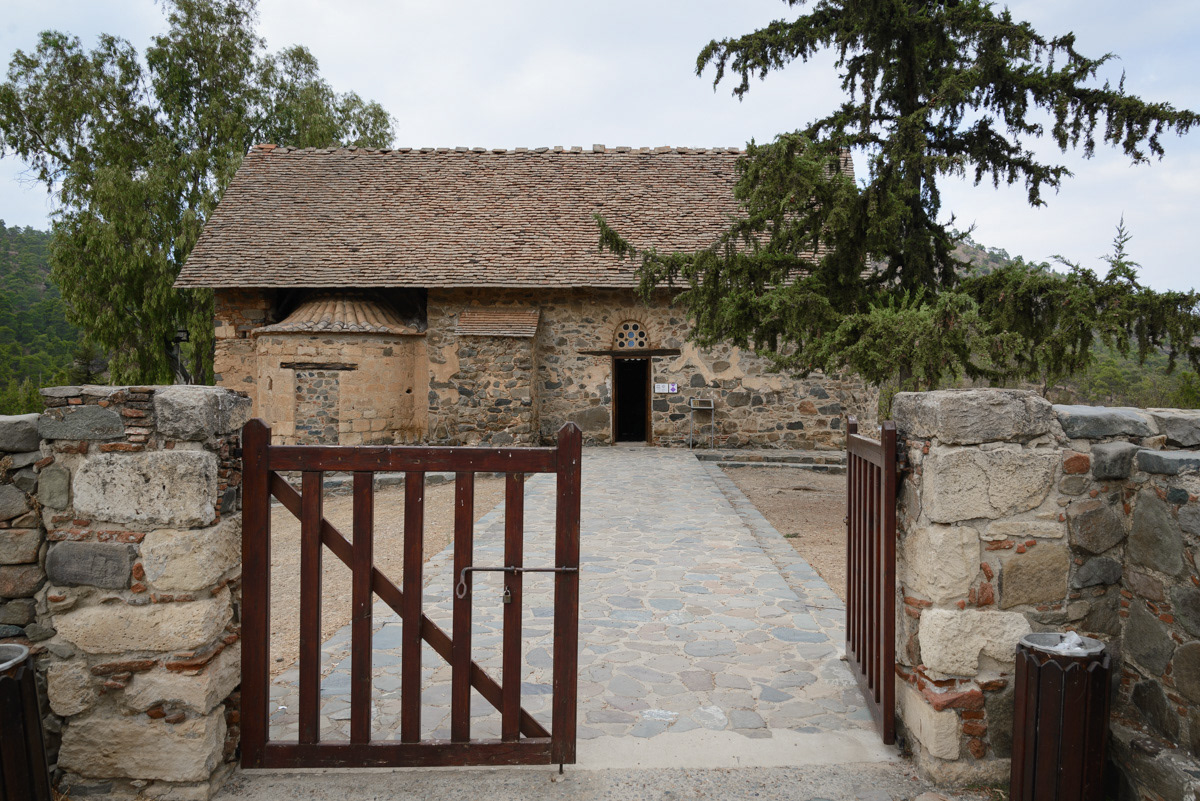
The church of Panagia Phorbiotissa, better known as Panagia of
Asinou (Ιερός Ναός Παναγίας της Aσίνου), is one of ten Byzantine
churches, dating from the 12th to the 17th century AD in Cyprus'
Troodos Mountains. Together they were designated a UNESCO World
Heritage Site in 1985 as "The Painted Churches of the Troodos
Region of Cyprus," representing one of the largest groups of
churches and monasteries of the former Byzantine Empire. The
Byzantine Empire, also referred to as the Eastern Roman Empire
or Byzantium, was the successor to the eastern half of the Roman
Empire from the fall of Rome in the 5th century AD until the
Ottoman Empire's occupation of Constantinople, the Byzantine
capital (modern-day Istanbul), in AD 1453.
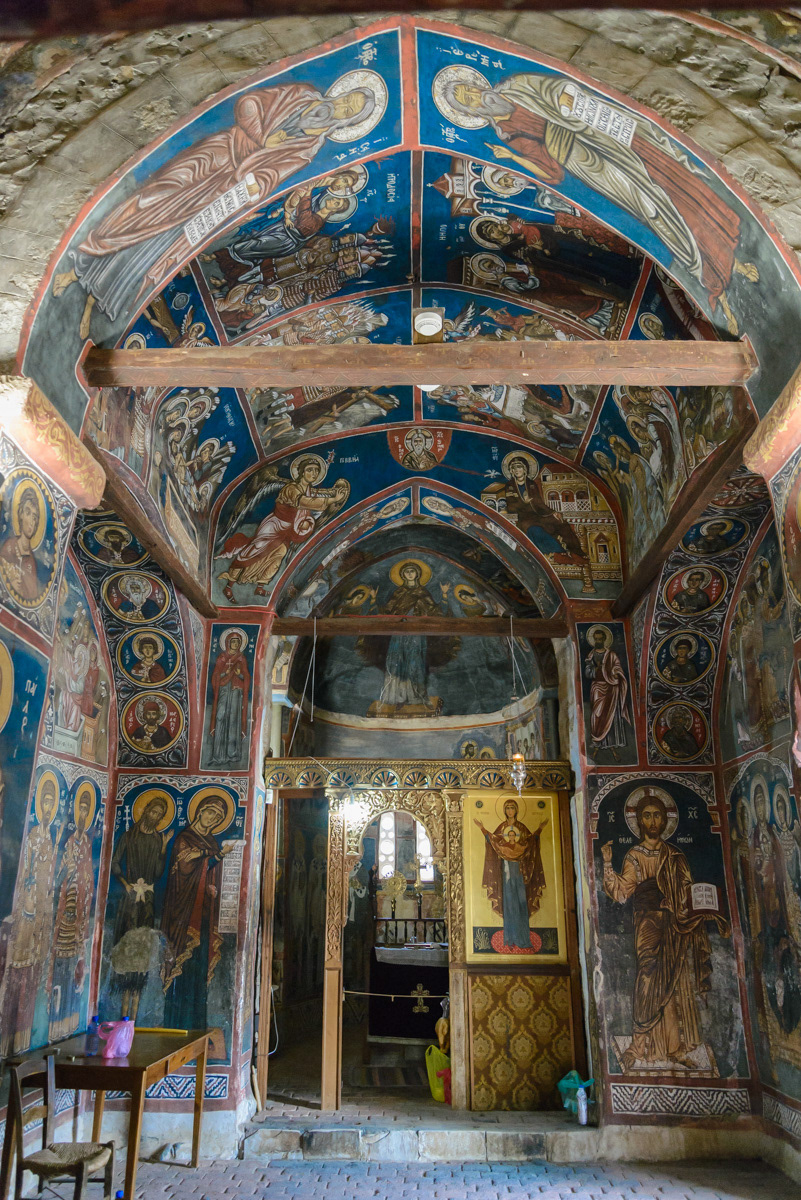
In Cyprus, the ten Byzantine churches included on the World
Heritage List - all richly decorated with murals - are
recognized internationally because they provide an overview of
Byzantine and post-Byzantine painting in Cyprus and the variety
of artistic influences affecting the Eastern Mediterranean over
a period of 500 years.
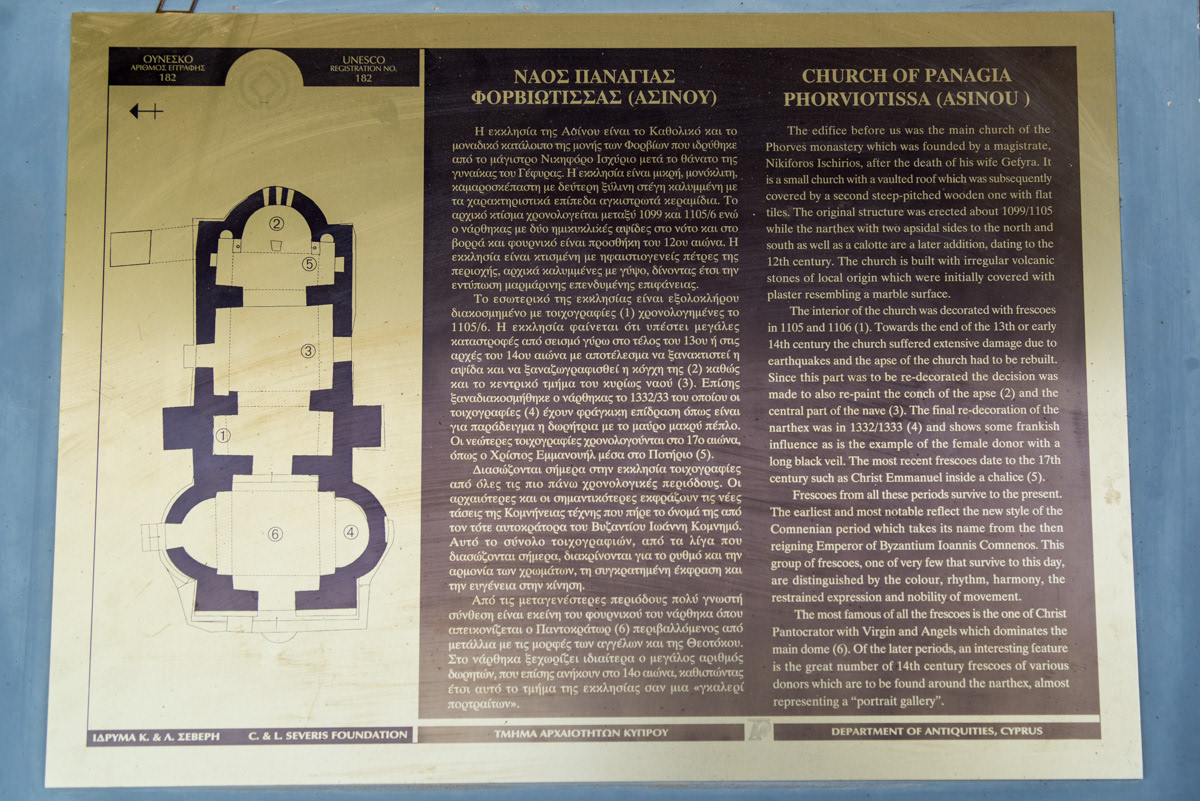
The church of Panagia Asinou, dedicated to the Virgin of
'Phorbia', was first built and painted about AD 1099/1105 as the
katholicon (monastery church) of a monastery that no longer
exists. The area around the church was first occupied by Greek
settlers from Asine in the Peloponnese in antiquity, and a small
village was still there in the middle ages, but nothing remains
of it today. The monastery functioned until the end of the 18th
century AD, when it was abandoned.
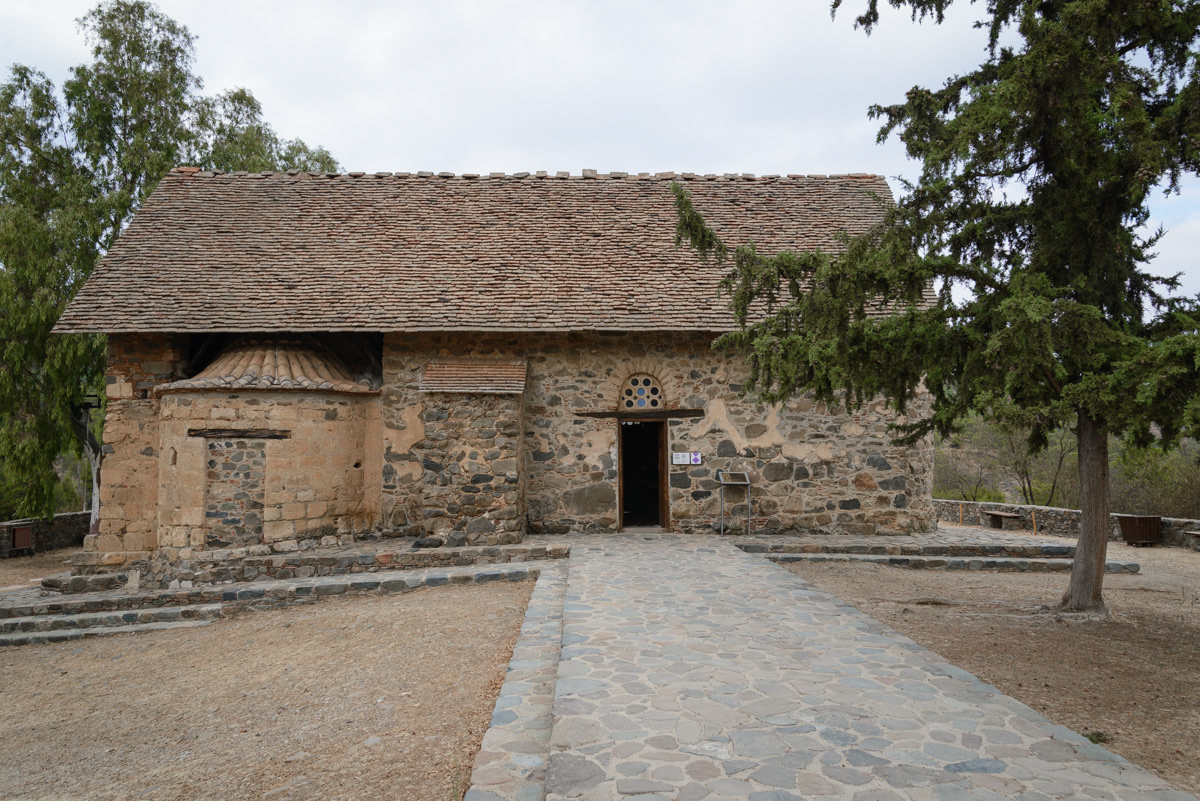
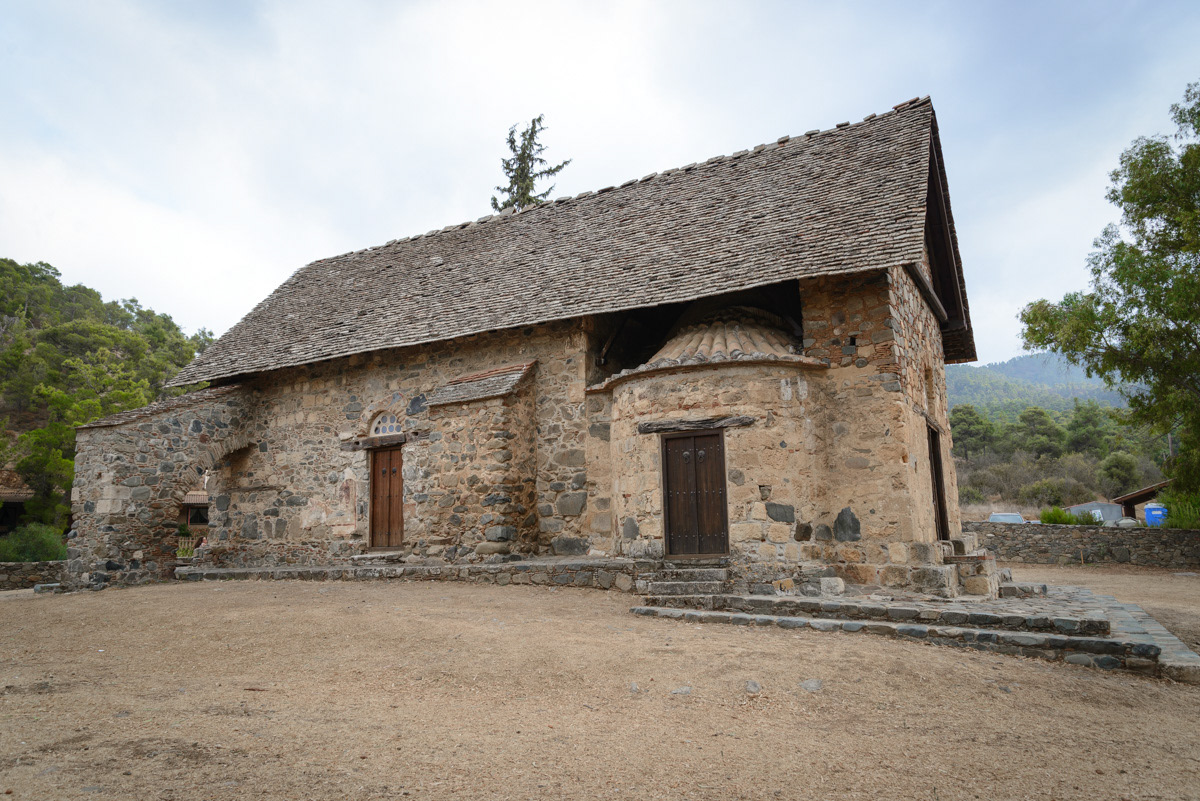
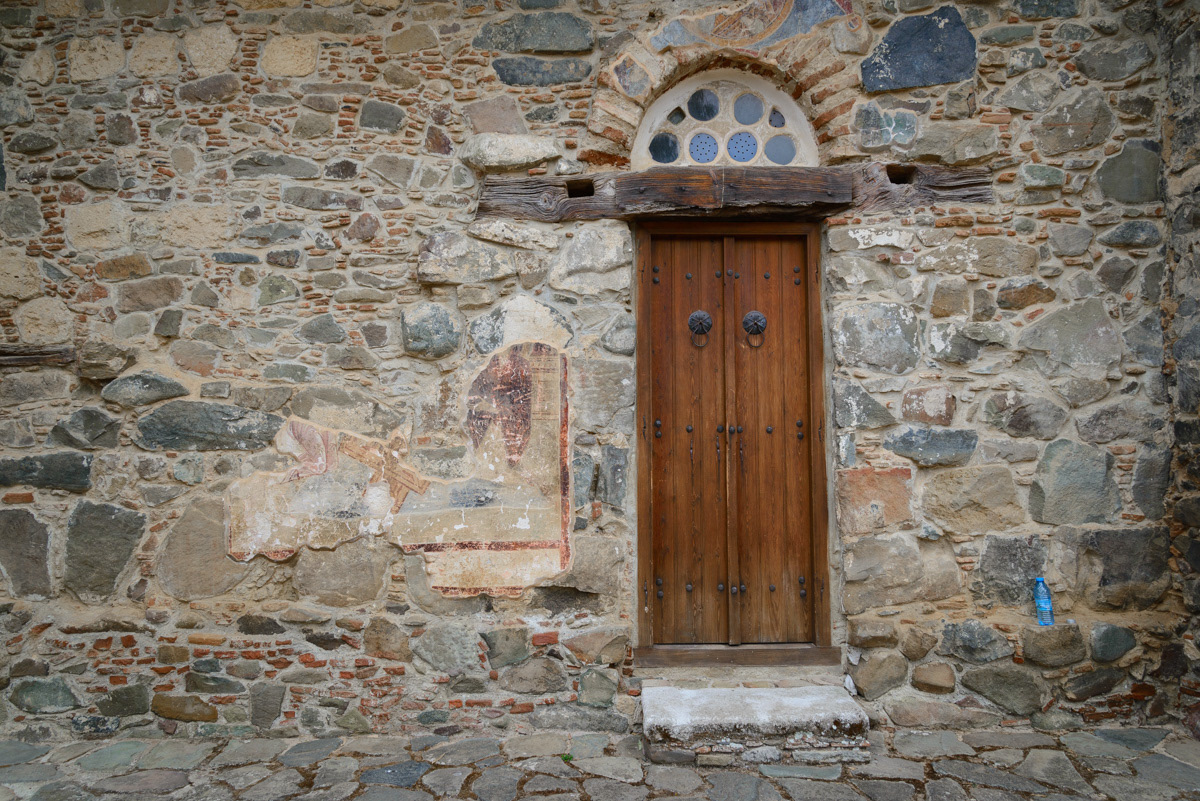
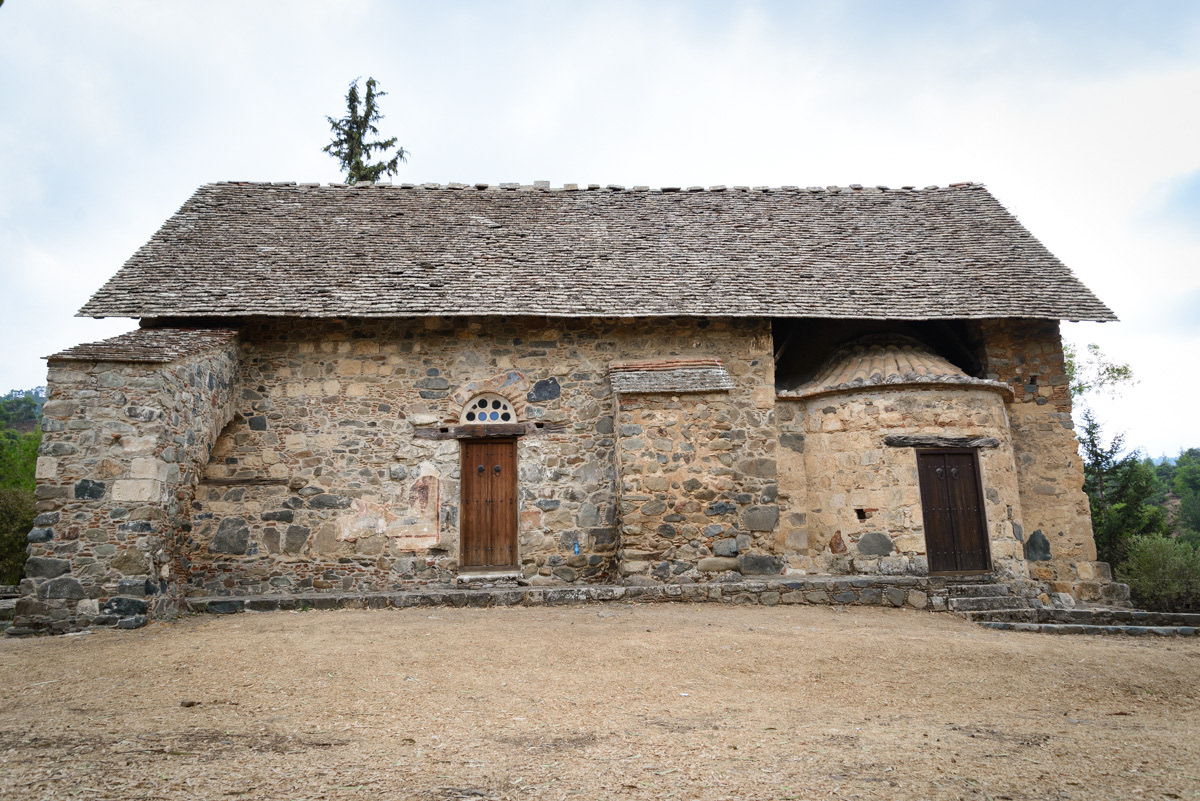
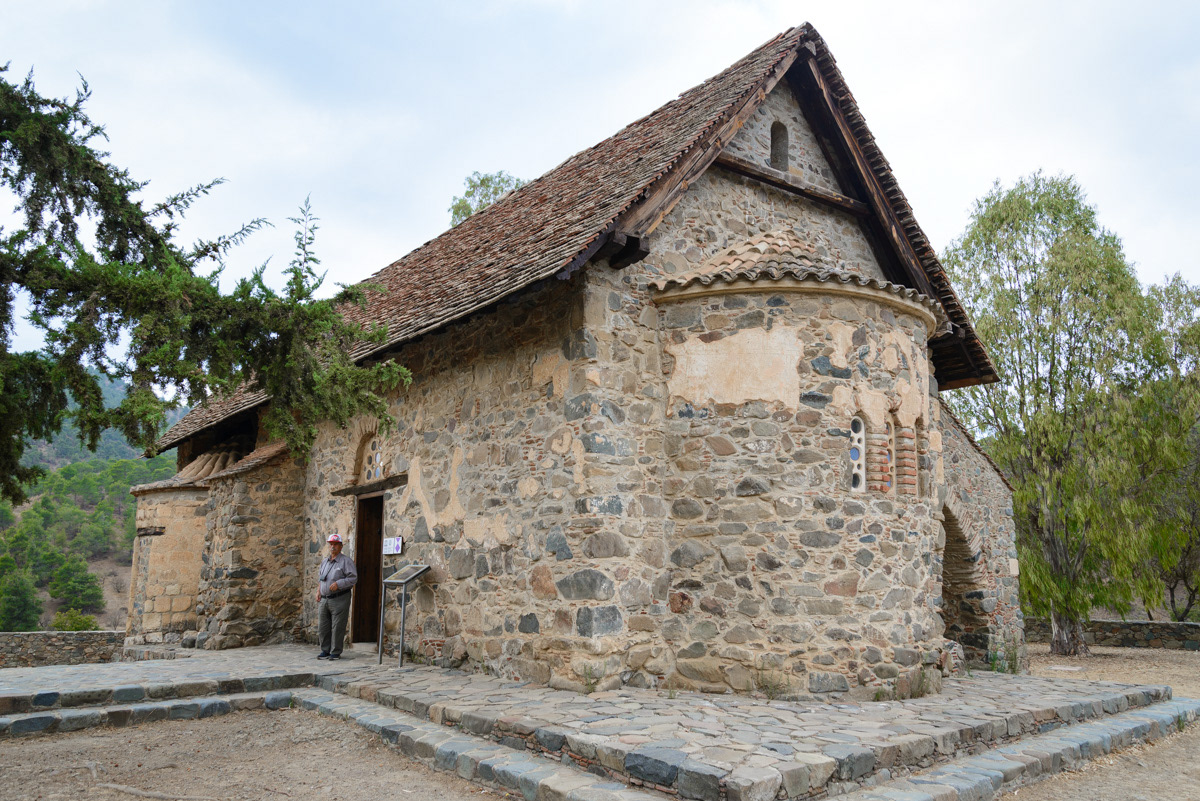
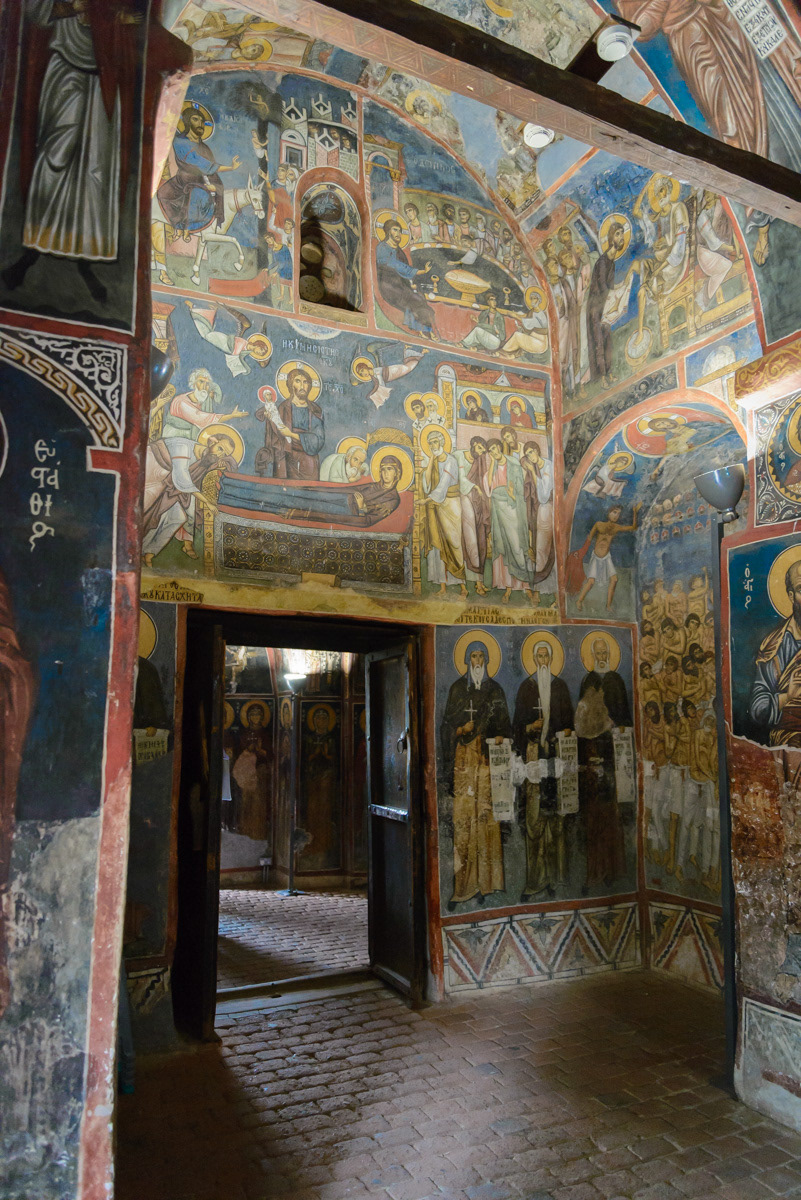
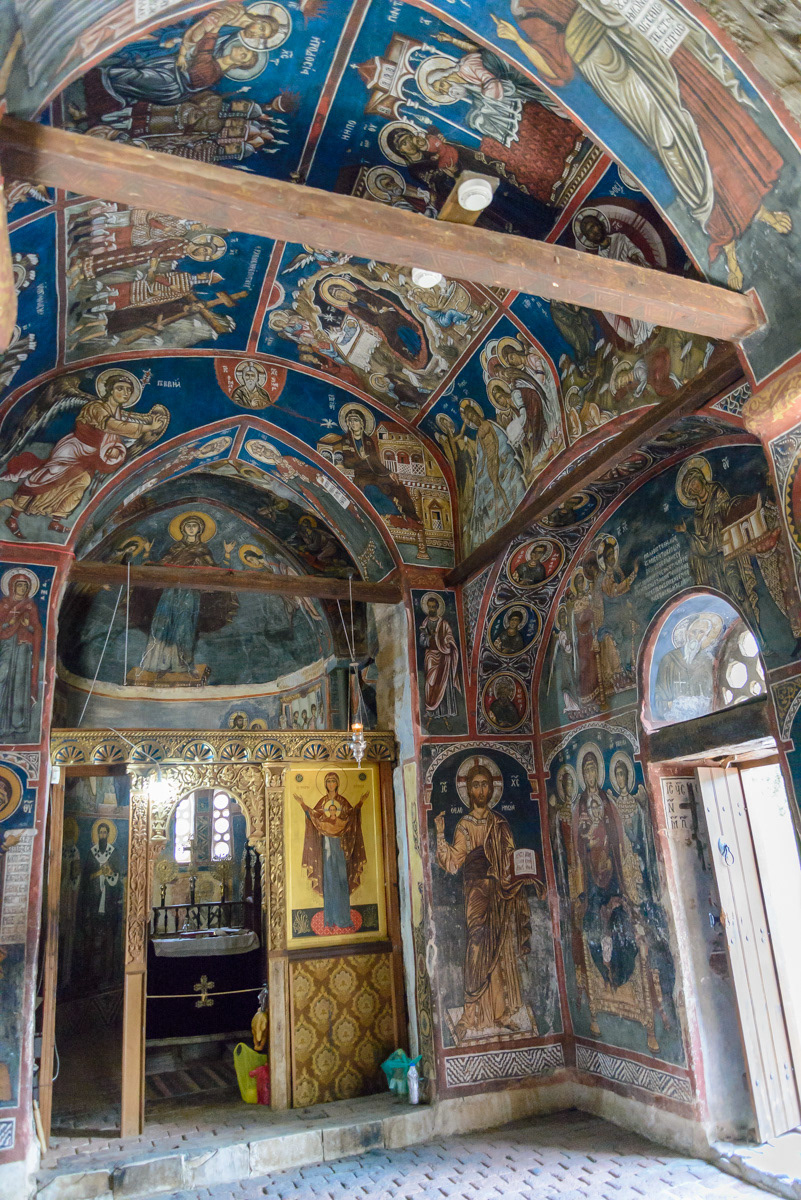
The church has two parts: a vaulted single-aisled nave from the
11th century AD and a narthex. The narthex is a later addition,
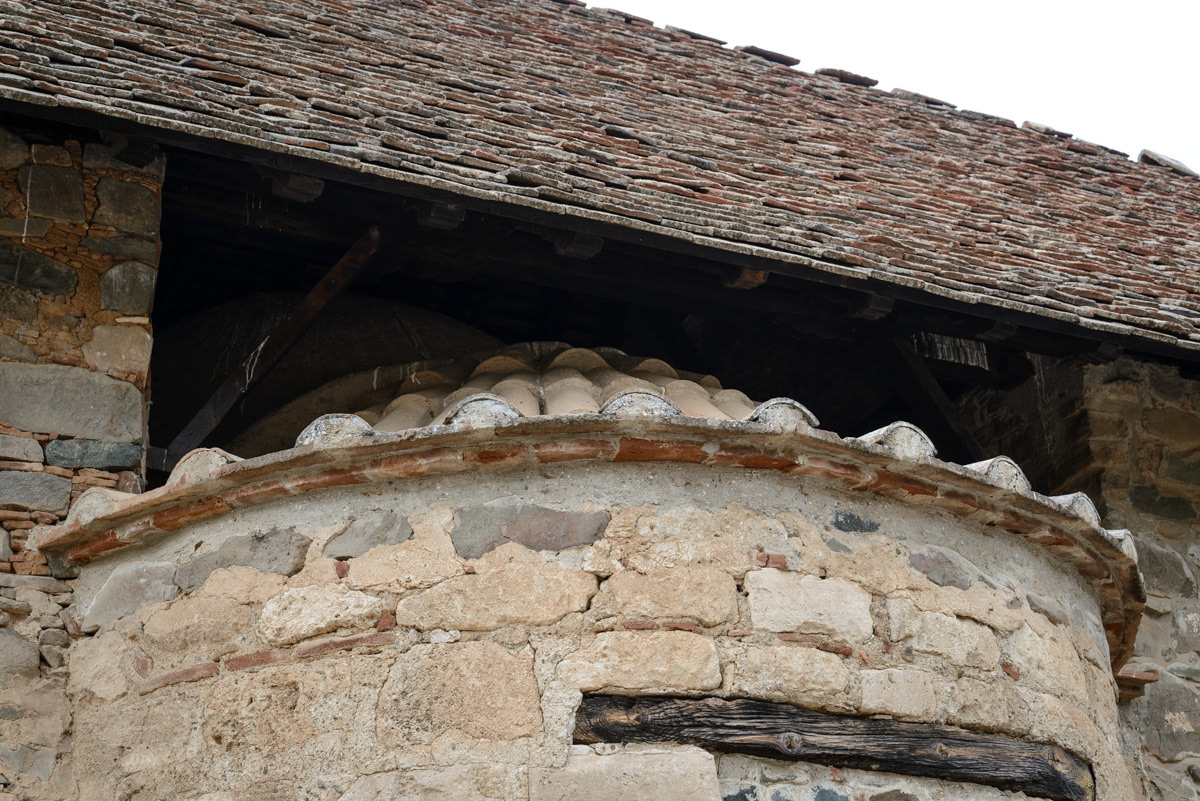
belonging to the second half of the 12th century AD. The steeply
pitched timber roof was also erected over the church's original
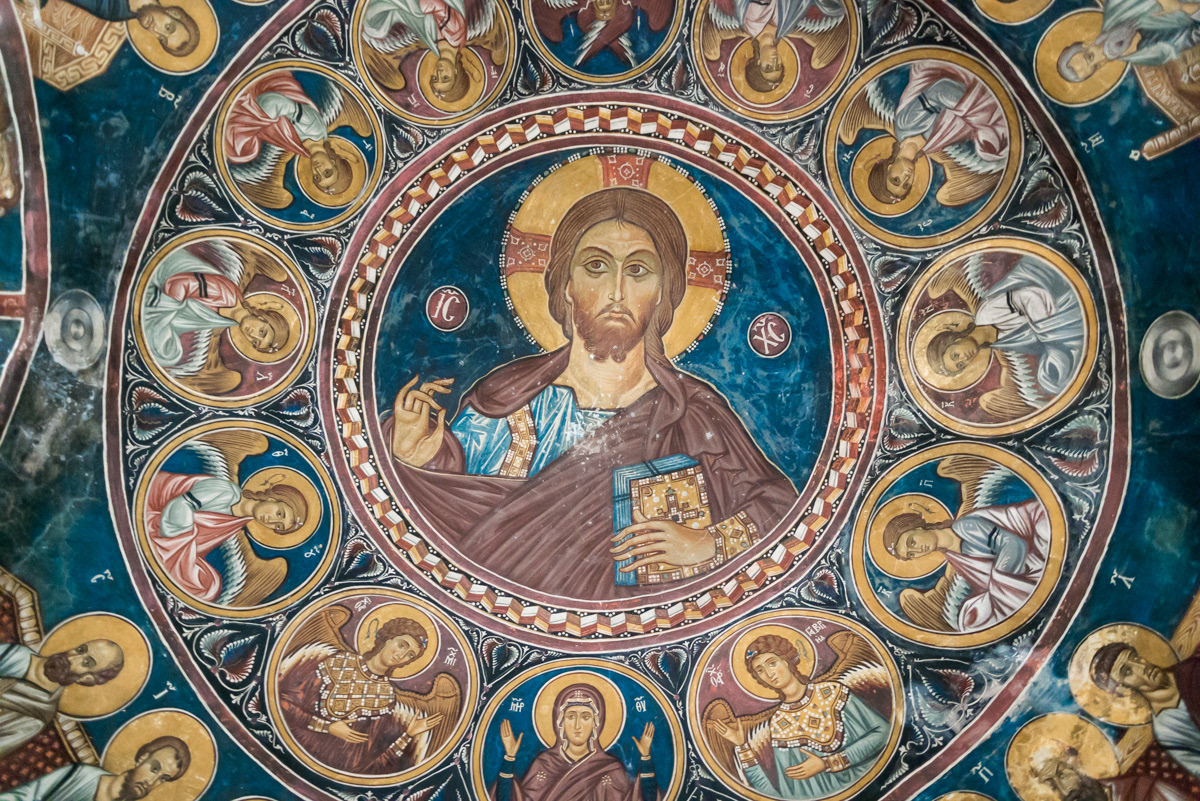
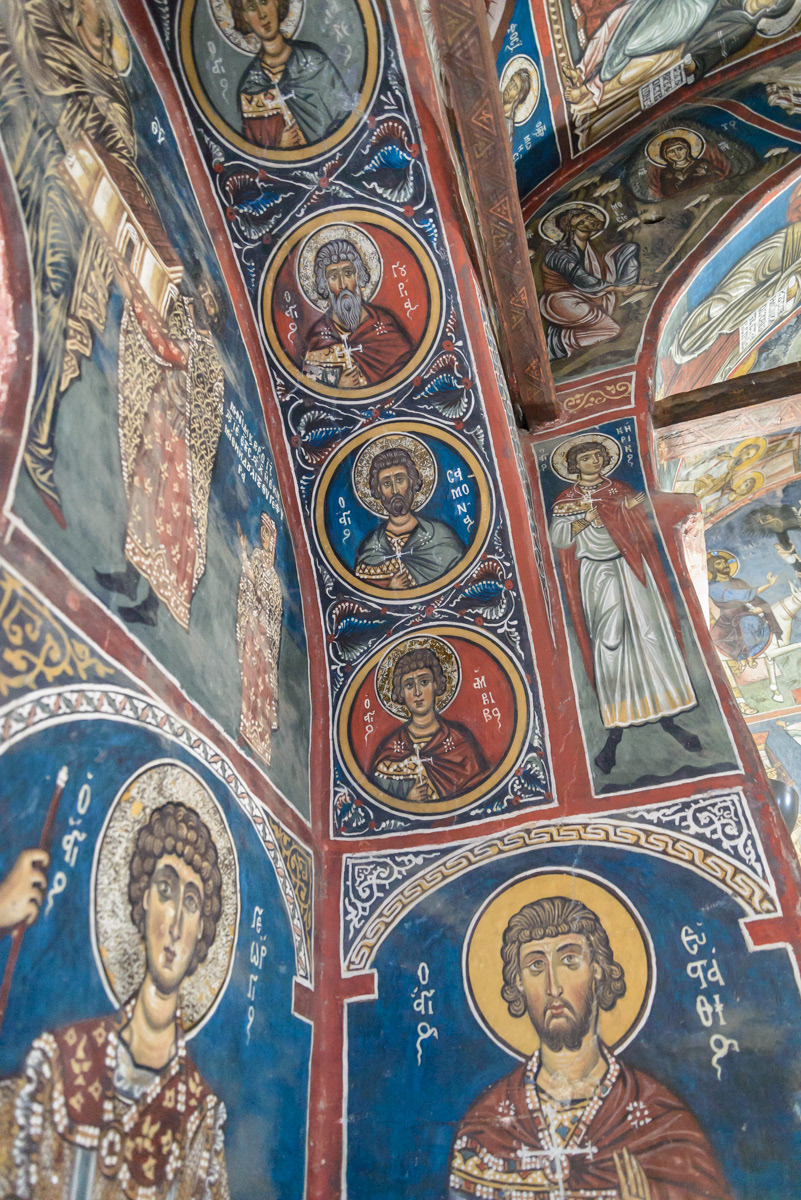
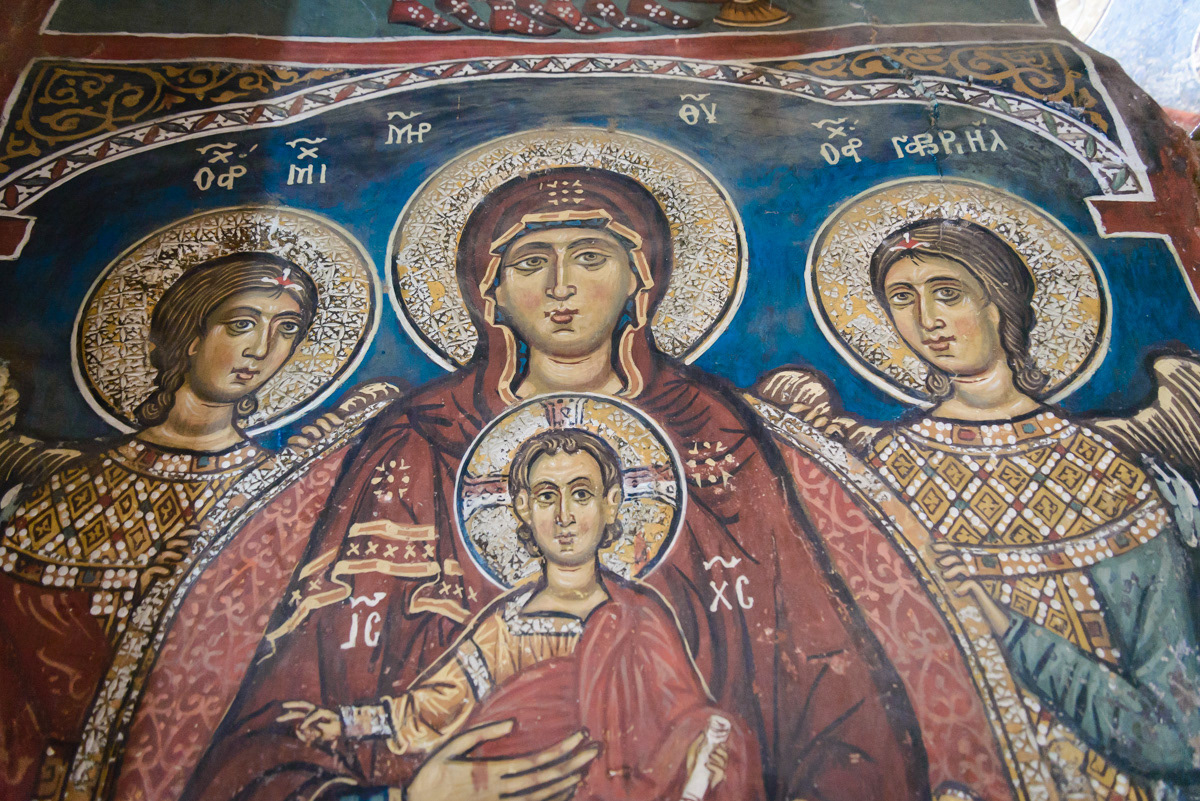
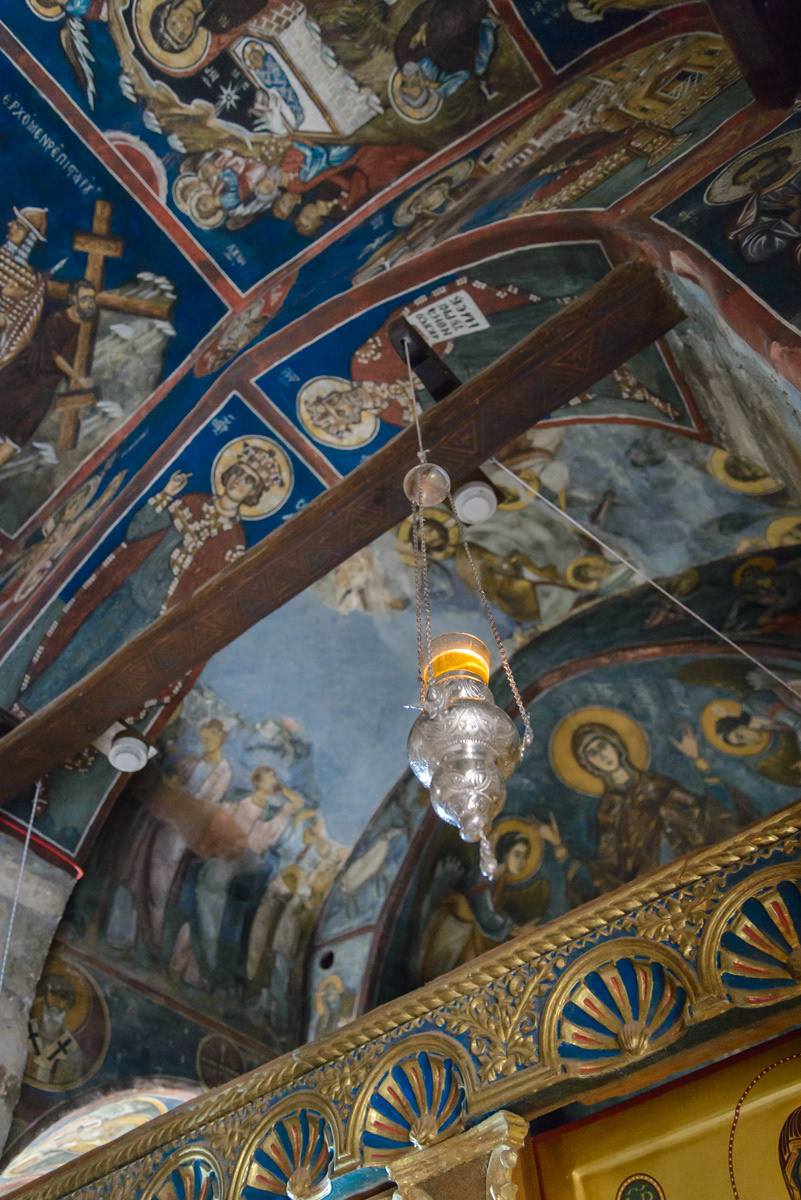
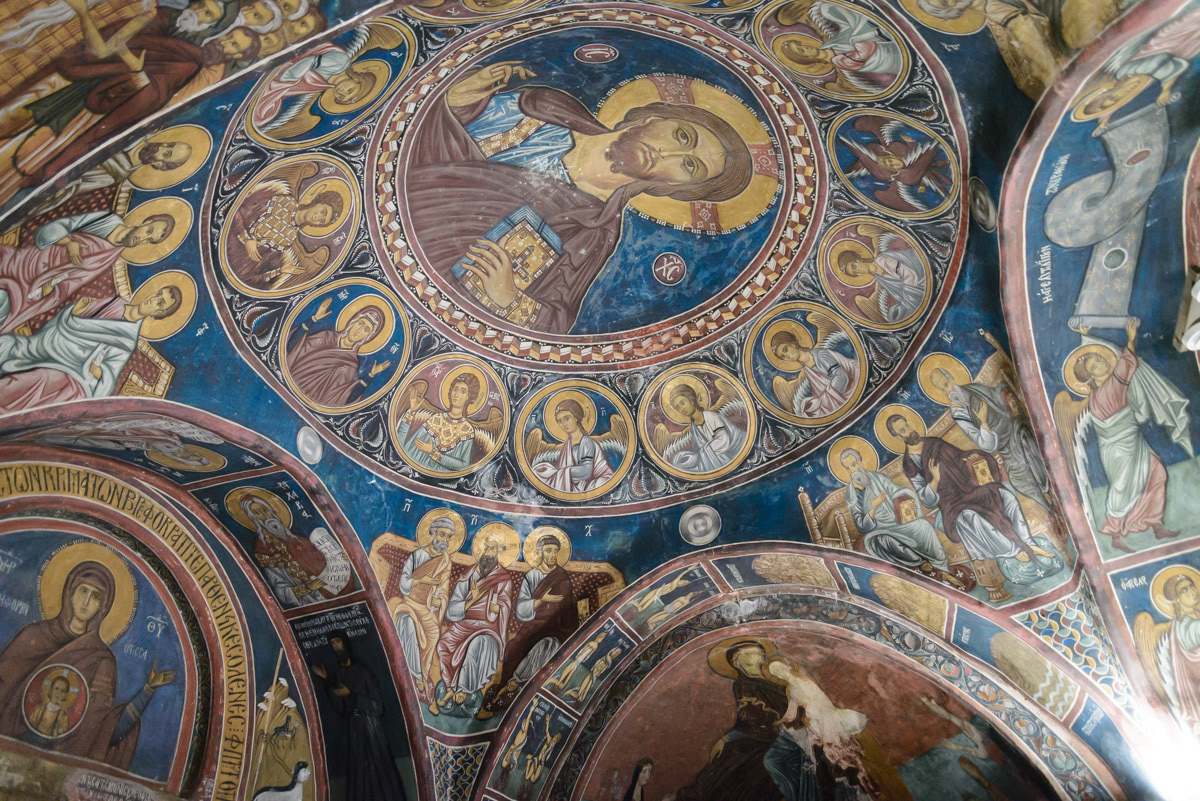
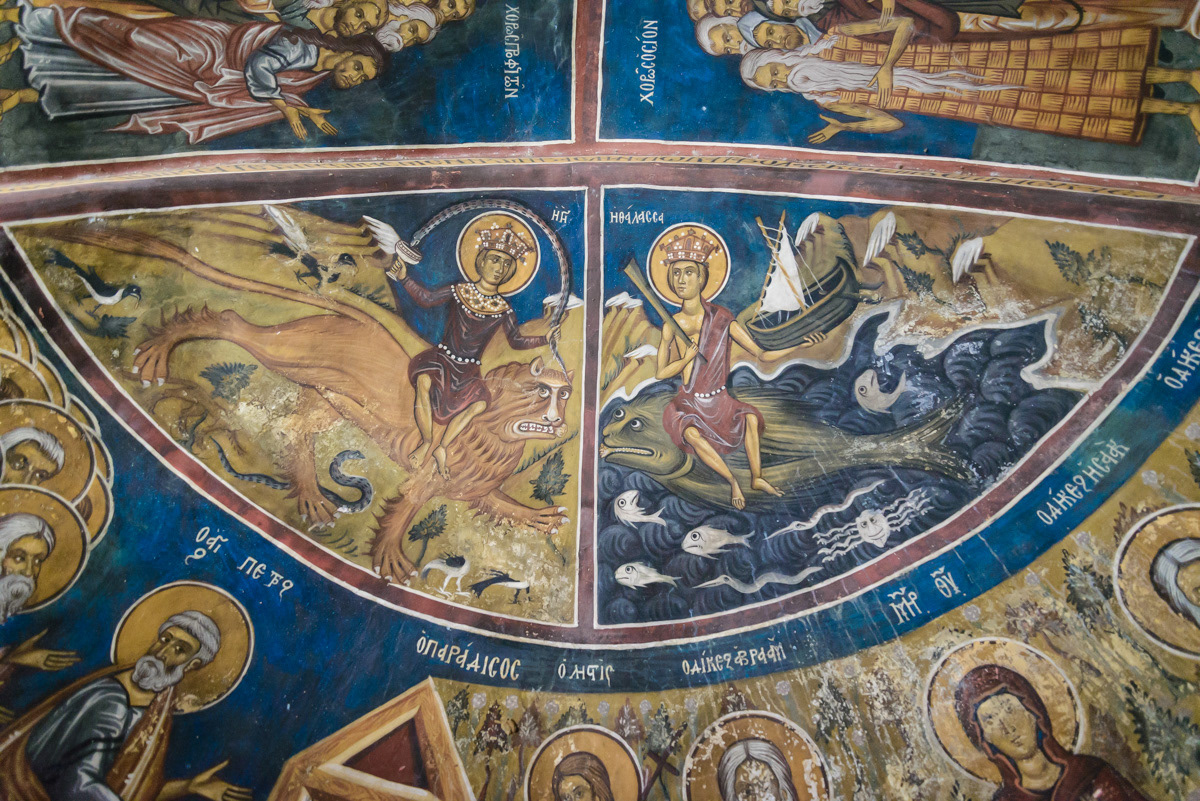
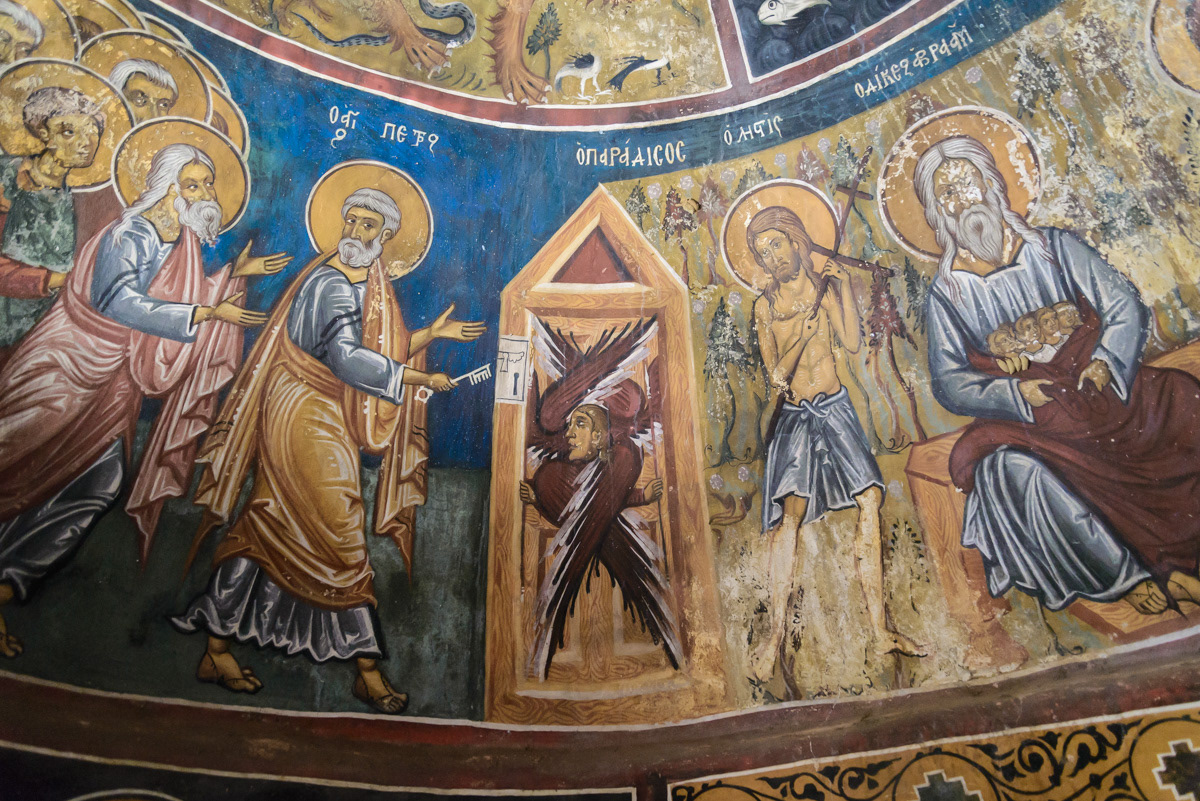
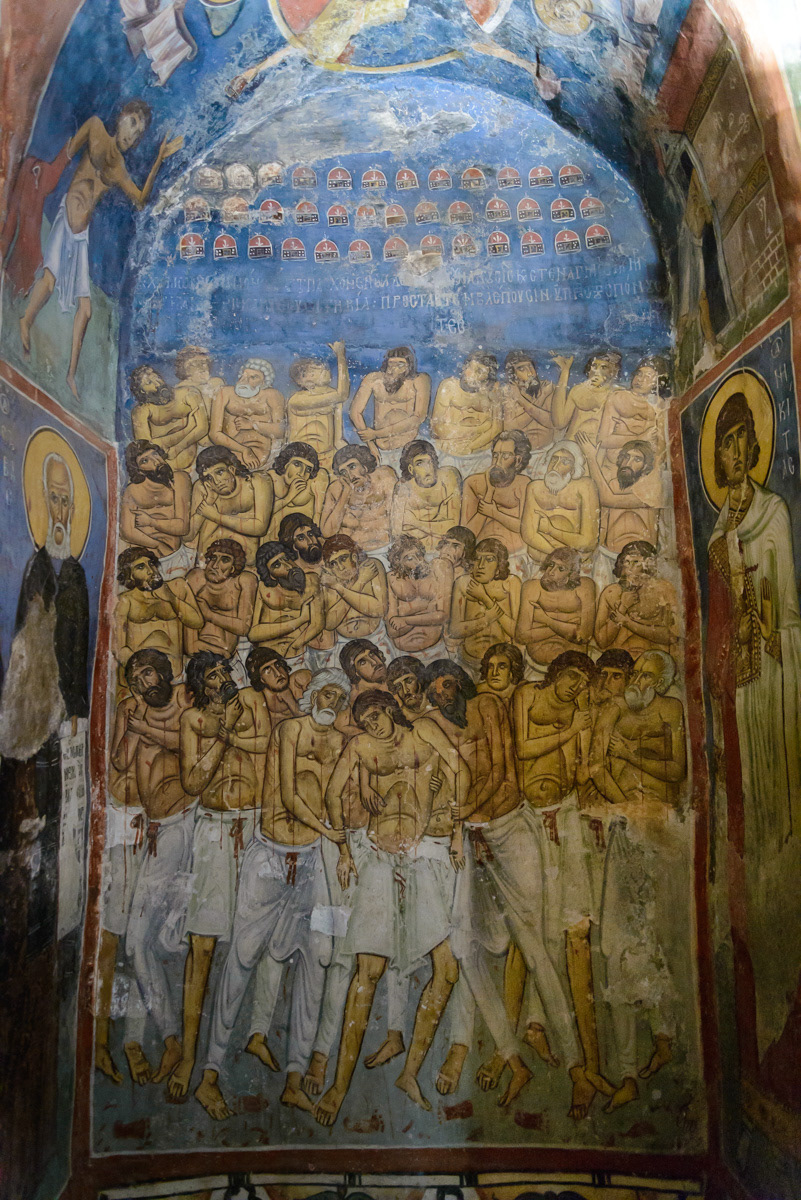
domed roof in the 12th century. The murals inside the church
date from the 12th century to the 17th century AD. The original
paintings reflect the art of Constantinople, which is thought to
be the original artist's birthplace.


No comments:
Post a Comment